
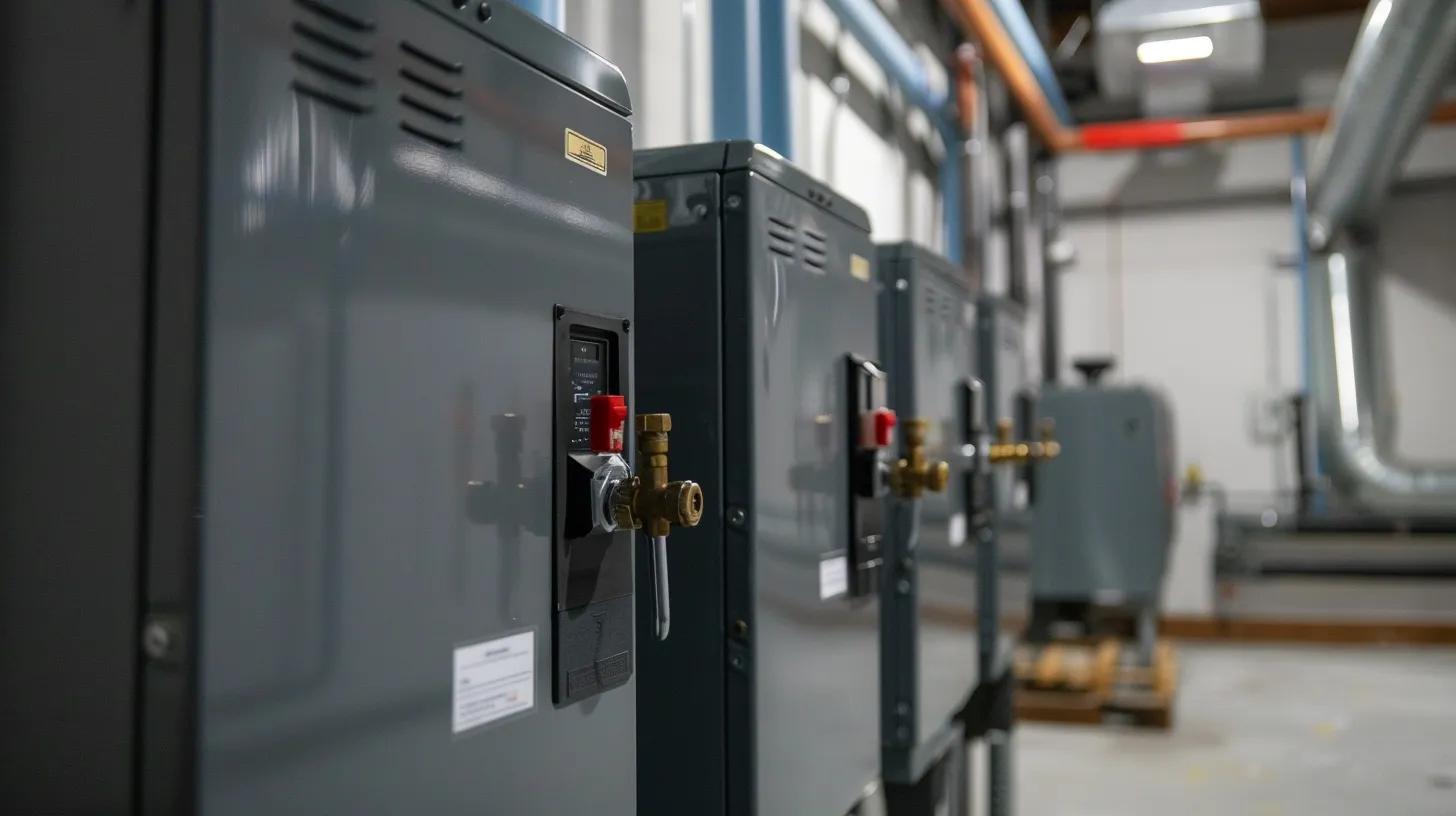
A heating emergency in West Fargo’s harsh winter is dangerous. This guide details our rapid furnace installation and emergency heating company, quickly restoring warmth. We cover emergency workflows, common failures, replacement options, costs, and financing. Learn practical steps before a technician arrives, focusing on speed, reliability, and expertise. As a heating contractor in West Fargo our goal: prepare you for unexpected heating issues, covering emergency heat, maintenance, and repair vs. replacement.
Why Choose Our Emergency Heating Company Services in West Fargo?
When your furnace fails in West Fargo, you need rapid response, proven workflows, and deep expertise. Our service ensures minimal downtime and maximum safety. Quick triage and skilled diagnosis restore heat faster, reducing freezing exposure and preventing home damage. Homeowners receive immediate safety guidance, transparent assessments, and prioritized scheduling, especially during severe weather. Our 24/7 readiness, robust parts inventory, and experienced technicians make us a trusted partner.
The emergency heating company’s commitment to reliability and speed is evident. Fast, reliable furnace installations involve meticulous planning, trained crews, and quality checks. Equipment and parts are pre-staged to eliminate delays; technicians follow comprehensive checklists for optimal performance. For emergency support, our organized dispatch, on-call technicians, and prioritized response protocols provide immediate safety guidance and realistic arrival windows for swift intervention.
We offer installation options for West Fargo’s severe winters: high-efficiency gas furnaces, electric furnaces, and cold-climate heat pumps. High-AFUE gas furnaces excel in extreme cold. Electric furnaces suit homes without gas lines. Cold-climate heat pumps offer energy efficiency with auxiliary backup. Our technicians evaluate AFUE, capacity, and ductwork compatibility to recommend the best system, balancing performance and long-term cost.
How West Fargo Emergency Heating Repair Service Works
West Fargo emergency heating repair service follows a clear, fast workflow: initial triage, safety instructions, on-site diagnosis, repair/mitigation, and validation. Key to speed: rapid problem classification, skilled technicians with advanced tools, and prioritized parts access. This ensures immediate safety guidance by the emergency heating company and efficient repairs, minimizing downtime and repeat calls.
Common emergency problems include ignition failures, blower motor issues, thermostat faults, or fuel interruptions. Ignition/pilot problems are often quickly resolved. Blower motor or capacitor failures, affecting air circulation, can typically be fixed same-day if parts are available. Rapid identification allows technicians to choose immediate repair or temporary mitigation, keeping your home warm while parts are sourced.
Signs You Need Immediate Furnace Repair
Recognizing urgent furnace problems prevents damage and ensures safety. Prioritize safety signals: gas smell, CO alarm, or visible flame anomalies require immediate evacuation and emergency response. Performance indicators needing quick service: complete heat loss in freezing conditions, persistent short cycling, loud, unusual noises, or soot/discoloration around the burner. Operational cues like an unresponsive thermostat, pilot outage, or repeated system resets often indicate control or ignition faults. Call for professional help if you observe any of these.
Scheduling Fast Emergency Repairs
Scheduling begins with a rapid triage call: provide location, system type, and symptoms. This helps dispatch prioritize and assign the right technician. In extreme weather, safety and complete-loss-of-heat calls get accelerated arrival. You’ll receive preparatory safety instructions. Technicians arrive with diagnostic equipment and common parts, providing an itemized assessment. Preparing system info and clearing furnace access speeds diagnosis and repair.
New Furnace Installation Options in West Fargo
| Furnace Type | Key Characteristic | Typical Use-Case & Cost |
|---|---|---|
| Gas Furnace (High-AFUE) | Best sustained output in extreme cold; AFUE 90–98% | Ideal for consistent heat; Moderate–High Cost |
| Electric Furnace | Simple installation, no combustion; lower operating cost where electric rates are favorable | Good for homes without gas lines; Low–Moderate Cost |
| Cold-Climate Heat Pump | Efficient heating with auxiliary backup; works well with modern integration | Energy-efficient alternative; Moderate–High Cost |
Energy-Efficient Furnaces for West Fargo Winters
For West Fargo’s climate, high-AFUE gas furnaces (95%+) or cold-climate heat pumps with proven low-temperature performance are recommended. High-AFUE units maximize fuel conversion, crucial during prolonged cold. Cold-climate heat pumps, properly sized with auxiliary electric heat, offer significant seasonal energy savings and deep cold backup. We help compare long-term operating costs against upfront investment for the best lifecycle value.
Furnace Installation Cost Factors
Furnace installation costs vary by unit type, labor, ductwork changes, permits, and disposal. Basic replacements are moderate; high-efficiency or complex retrofits cost more. Major drivers include unit efficiency, ductwork/venting modifications, permits, and electrical/gas line upgrades. We provide itemized quotes and discuss financing/incentives for affordability.
-
Unit price and AFUE rating.
-
Labor, access complexity, and ductwork modifications.
-
Permits, inspections, and disposal fees.
Fast Furnace Installation Process
Our rapid installation includes a pre-install assessment (load calculation, duct sizing, capacity, code verification), safe removal/disposal, careful installation/integration, thorough testing, and a homeowner walkthrough. Technicians follow checklists for mounting, venting, combustion safety, and electrical connections, performing combustion analysis and airflow balancing. The final walkthrough covers thermostat operation, maintenance, and warranty.
Understanding Emergency Heat
West Fargo emergency heating repair service is auxiliary or electric resistance heating used by a heat pump when its normal compression cycle is inefficient due to low outdoor temperatures or if the primary heat pump fails. It provides immediate warmth but at a significantly higher energy cost. It’s for temporary use during outages or short, extreme cold snaps, not prolonged primary heating. Understanding its use prevents high utility bills and equipment stress.
Emergency Heat vs. Regular Heat Pump Operation
Regular heat pump operation efficiently moves heat via a compressor cycle, effective until outdoor temperatures drop. An emergency heating company uses electric resistance coils to directly generate heat without compression, less efficient but immediately effective. The system may switch automatically or be manually triggered. The trade-off is consistent warmth at significantly higher energy usage, making emergency heat a short-term solution.
Risks of Overusing Emergency Heat
Overusing emergency heat drastically increases energy consumption and utility bills. It can stress your electrical system, tripping breakers or accelerating wear. Prolonged reliance can mask primary heat pump faults, delaying efficient repairs. To mitigate risks, monitor energy use, limit runtime, and schedule prompt professional repairs. Prioritizing primary system repair is the most cost-effective long-term approach.
Preventative Maintenance for Your Furnace
Preventive maintenance is crucial for reducing emergency failures, preserving efficiency, and extending your furnace’s lifespan in West Fargo. West Fargo emergency heating repair service addresses wear, contamination, and operational drift before components fail. This proactive approach involves cleaning, lubrication, calibration, and timely parts replacement, improving combustion and correcting airflow imbalances.
| Maintenance Task | Frequency | Key Benefit |
|---|---|---|
| Replace/Inspect Air Filter | Every 1–3 months | Improved airflow and efficiency |
| Annual Professional Tune-up | Once per year | Combustion safety, efficiency check, parts inspection |
| Clean Blower and Coils | Annually | Reduced motor stress and better heat transfer |
| Check Thermostat/Calibration | Annually or as needed | Accurate control and fewer short cycles |
DIY Heating System Checks
Before calling a technician, perform simple, safe checks: replace/inspect the air filter, verify thermostat settings/batteries, confirm furnace power, and ensure unobstructed vents/returns. These steps maintain airflow and control signals, often resolving minor issues. If you smell gas, see soot, or see electrical smoke, immediately stop and call a professional. Documenting attempts and error codes helps technicians diagnose faster.
Contact Us for Fast Emergency Heating & Furnace Installation in West Fargo
-
Gather system details (type, age, known error codes).
-
Note safety symptoms (gas smell, CO alarm, no heat).
-
Clear access to the furnace area and ensure pets/children are secured.
Requesting Immediate Heating Service
For the fastest response, use our emergency request channel. Provide location, system type, and concise symptoms. Our heating contractor in West Fargo will ask about life-safety indicators and may offer remote troubleshooting or evacuation advice. Keep your dispatch reference. Being concise and cooperative accelerates arrival and increases the likelihood of same-day repair or prioritized replacement.
Financing Options for Furnace Installation
We offer various financing options: payment plans, third-party loans, and manufacturer/utility rebates for energy-efficient units. These reduce upfront costs and improve affordability. We outline applicable financing and incentive programs during the quote process, making emergency replacements manageable.
Our Service Area in West Fargo
Need Emergency Heating Service Now?
Key FAQs About Emergency Heating & Furnace Installation
1. How Much Does Emergency Furnace Repair Cost?
Costs vary by parts and severity. Minor fixes are lower; major replacements increase price. Factors include part availability, labor complexity, and after-hours rates. Always request an itemized estimate.
2. Do You Need a Permit for Furnace Installation?
Yes, permits are commonly required for furnace replacements and major HVAC work to ensure local safety standards. Professional installers typically handle permitting.
3. Should I Repair or Replace My Old Furnace?
Depends on age, repair frequency, efficiency loss, and repair vs. replacement cost. Units older than 15 years or needing repeated costly repairs often warrant replacement. Consider long-term efficiency and reduced future emergencies.
4. How Do I Find a Reliable HVAC Technician?
Vet technicians by confirming licensing/insurance, checking local response times/reviews, and asking about parts warranties. Reliable providers offer transparent emergency triage and itemized estimates.
5. What Factors Affect Furnace Replacement Costs?
Primary drivers: unit efficiency/capacity, ductwork condition, electrical/gas upgrades, permits, and modification complexity. Labor and old equipment disposal also influence price.