
Heating system installation services in Fargo encompass furnaces, heat pumps, boilers, and ductless mini-splits, all designed for reliable home comfort in cold climates. This guide explains main system types, compares their performance in Fargo’s winters, and helps homeowners estimate costs and claim energy efficiency incentives. We provide practical, cold-climate guidance to help you choose the right heating system and installer, covering system suitability, upfront costs, long-term operating expenses, and vetting local HVAC contractors.
What Heating System Types Are Best for Fargo’s Climate?
In Fargo’s subzero winters, optimal heating systems balance low-temperature performance, efficiency, and fuel availability. High-AFUE gas furnaces and properly sized hydronic boilers excel in the coldest stretches, while modern cold-climate heat pumps and ductless mini-splits offer efficient heating with lower operating costs. Choosing depends on existing infrastructure, fuel access, insulation, and priorities like upfront cost versus lifetime efficiency. Below is a comparison for Fargo homes.
| System Type | Fuel / Rating / Best For | Typical Pros and Cons |
|---|---|---|
| Gas Furnace | Natural gas; AFUE ~80–98%; best for whole-house heat in homes with ducts | Pros: Strong low-temp output, familiar tech; Cons: Combustion required and venting needed |
| Air-Source Heat Pump (cold-climate) | Electric; HSPF higher for cold-climate models; best for moderate efficiency and cooling/heating | Pros: Dual heating/cooling and lower energy use; Cons: Performance drops at extreme lows unless cold-climate model |
| Hydronic Boiler | Gas or electric; efficiency variable; best for radiant heat systems | Pros: Comfortable radiant heat and zone control; Cons: Higher upfront plumbing complexity |
| Ductless Mini-Split | Electric; HSPF varies; best for additions, retrofits, or zoned heating | Pros: Easy install, high efficiency for zones; Cons: Multiple indoor units can add cost and aesthetics considerations |
How Does Furnace Installation Work in Fargo Homes?
Fargo furnace installation starts with a site assessment for duct condition, venting, gas-line capacity, and proper sizing. The process involves removing the old unit, preparing connections, mounting the new furnace, connecting utilities, and completing combustion and safety tests. Proper venting, clearance, and duct integrity are crucial for efficiency and comfort in extreme cold. Installers will test safety controls and demonstrate thermostat operation.
What Are the Benefits of Heating System Installation in Fargo?
Heaing system installation in Fargo increasingly uses cold-climate models for efficient heating and cooling, reducing energy use. Modern air-source heat pumps sustain capacity at lower temperatures, significantly lowering heating bills when properly sized and insulated. Geothermal heat pumps offer stable year-round performance, while ductless mini-splits provide zoned comfort. Understanding these helps weigh costs against long-term savings, potentially leading to a hybrid furnace–heat pump approach.
How Much Does Heating System Installation Cost in Fargo?
Heating system Installation costs in Fargo vary by system type, size, labor, and home modifications. Key drivers include equipment price, duct/piping repairs, fuel conversion, permits, and contractor terms. This section provides average ranges and explains factors that increase project costs, along with financing and rebate options.
| System Type | Average Installation Cost Range | Factors Affecting Cost |
|---|---|---|
| Furnace (gas) | $4,000–$6,000 | Brand, AFUE rating, duct repairs, venting upgrades |
| Air-Source Heat Pump | $3,500–$7,000 | Cold-climate model, outdoor unit size, supplementary heat |
| Boiler (hydronic) | $7,500–$15,000 | Boiler type, piping/zone work, radiant floor integration |
-
Utility rebates and energy–efficiency incentives for high-efficiency equipment or insulation.
-
HVAC financing programs, including deferred payments or installment plans.
-
State and federal incentives, like tax credits for certain high-efficiency systems.
When Should You Replace on or Upgrade Your Heating System in Fargo?
Deciding heating system installation in Fargo balances equipment age, heating repair in Fargo frequency, operating costs, and comfort. Timely replacement reduces breakdown risk and improves energy use. Replacement is attractive when repair bills mount, efficiency drops, or comfort is compromised.
-
Frequent Repairs: If annual repair costs approach replacement costs.
-
Rising Energy Bills: Persistent increases despite no usage change.
-
Uneven Heating: Cold zones, long runtimes, or short-cycling.
-
Strange Noises/Odor: New noises, odors, or visible corrosion.
How Do You Choose the Right Heating System Installation Contractor in Fargo?
-
Check Review Patterns: Look for consistent feedback on punctuality, cleanup, and performance.
-
Ask for References: Request and follow up on references for similar projects.
-
Compare Warranty Terms: Ensure equipment and labor warranties are clearly stated in writing.
What Are the Advantages of Smart Thermostats and Energy-Efficient Heating in Fargo?

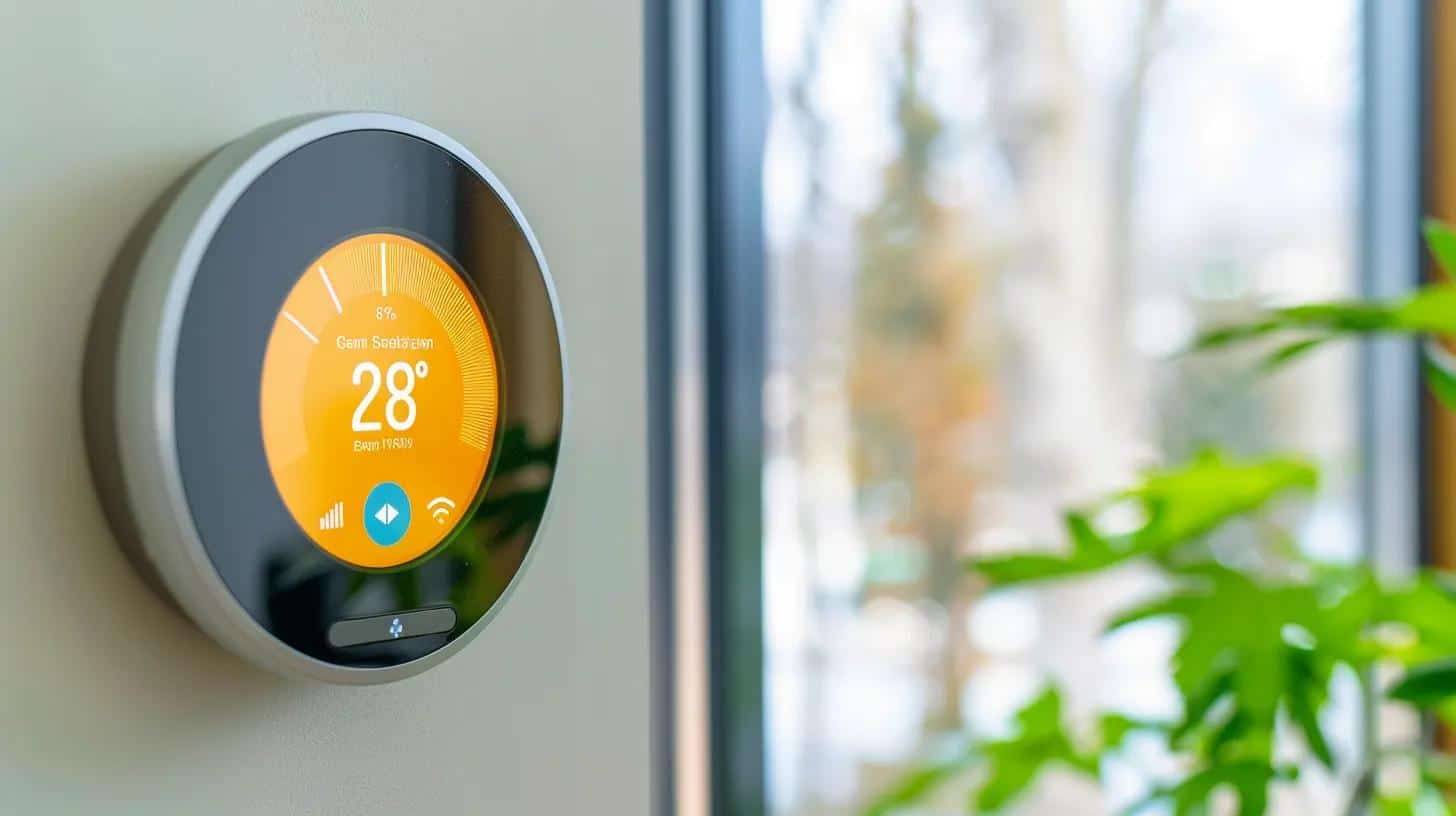
Smart thermostats and energy–efficiency measures enhance comfort and reduce heating costs by optimizing schedules, enabling remote monitoring, and using adaptive algorithms. In Fargo, smart controls can significantly reduce heating hours by learning occupancy patterns and using setback strategies, especially when paired with high-efficiency equipment and improved building envelope performance. Below is a comparison of common upgrades and their estimated annual savings.
| Upgrade / Measure | Installation Complexity | Estimated Annual Savings / Payback Period |
|---|---|---|
| Smart Thermostat | Low | 5–12% heating savings; payback often <3 years with active scheduling |
| Air Sealing & Insulation | Medium | 10–30% heating savings; payback depends on scope, often 3–10 years |
| High-Efficiency Unit (furnace/heat pump) | High | 15–40% heating savings; payback varies with fuel prices and incentives |
Smart thermostats reduce runtime during unoccupied periods, while envelope upgrades reduce heat loss. Together, these measures lower both peak demand and cumulative energy consumption.
How Do Smart Thermostats Improve Heating Efficiency and Comfort?
What Energy Savings Can Fargo Homeowners Expect from Upgrading Systems?
What Is the Step-by-Step Process for Heating Installation in Fargo?
-
Mechanical or HVAC permits are commonly required, pulled by the contractor.
-
Combustion appliance venting, fuel-line, and electrical changes often trigger separate inspections by City of Fargo officials.
-
Final commissioning and a passed inspection confirm code compliance.
-
Assessment and Sizing: Detailed load calculation and site review for equipment selection.
-
Permits & Scheduling: Contractor applies for permits and schedules inspections.
-
Installation: Removal of old equipment, installation of new unit(s), and modifications.
-
Commissioning & Inspection: Safety/performance tests, local code inspections, and final sign-off.
Conclusion
Choosing the right Fargo heating installation services ensures your home remains comfortable and energy-efficient through harsh winters. By understanding system types, costs, and processes, homeowners can make informed decisions. Explore our recommendations to find the best heating solutions tailored to your needs. Contact a trusted local HVAC contractor today.